About Nagapattinam
Discover the historical, administrative, and cultural profile of the coastal district
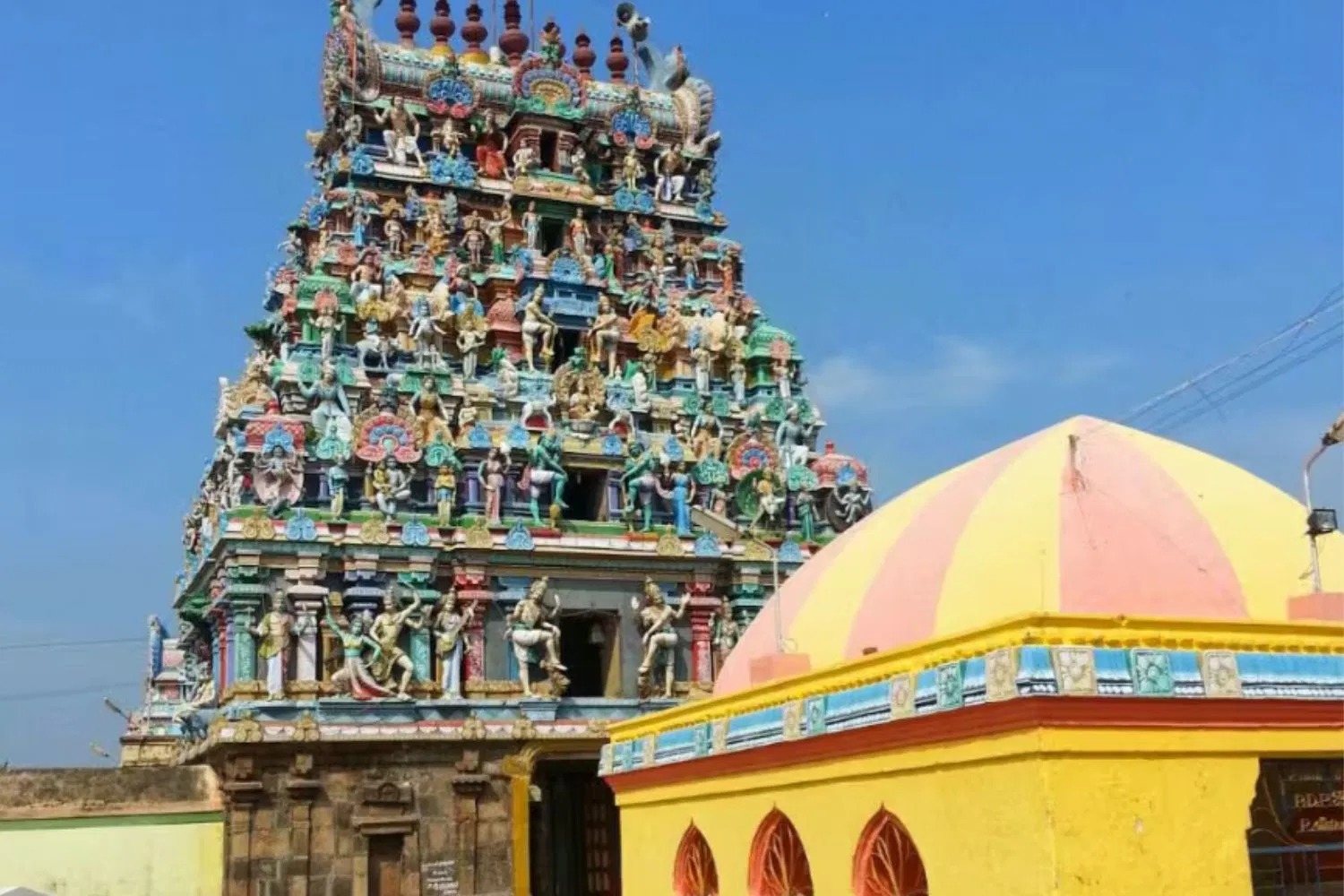
A Historic Coastal Portal
Nagapattinam is a prominent coastal town and the administrative headquarters of Nagapattinam District, situated on the Coromandel Coast of the Bay of Bengal in Tamil Nadu, India. Historically known as Nikam or Cholakula Vallippattinam, it has stood as a bustling trading port for more than 2,000 years.
From serving as a key naval base for the medieval Cholas to hosting Portuguese and Danish missions, and later acting as the Dutch Coromandel capital, Nagapattinam represents a beautiful tapestry of multifaith heritage, maritime trade, and coastal livelihood in the Cauvery Delta region.
Chronicles & Heritage
📜 Ancient & Maritime History
Nagapattinam is a unique district steeped in historical and cultural significance. Acclaimed as a key constituent of the ancient Chola Mandalam, the glory of the dynasty owes much to this port city's achievements. Its heritage is documented as far back as Burmese historical texts of the 3rd century B.C., which describe a Buddhist Vihar built by Emperor Ashoka. The famous Chinese traveler Hiuen Tsang later observed and detailed this same vihar in his chronicles.
In ancient texts, Nagapattinam was referenced as Padarithitha (derived from the local Bhrifruit trees) and Cholakula Vallippattinam. The region maintained deep ties with Sri Lanka, formerly known as NagaNadu. According to the Anaimangalam copperplate of Kulothunga I, Kassiba Thera renovated local Buddhist shrines, and King Sri Vijayathunga Varman of the Sri Vijaya Kingdom built the Sudamani Vihar (also known as Raja Raja Perumpalli) in 1090 A.D. Archaeological excavations in Vellipalayam later unearthed over 300 ancient Buddhist statues, now preserved at the Chennai Museum.
The town's multi-religious legacy is represented by the 6th-century Kayaroganam Shiva Temple (linked to the Laguleesa Pasupatha cult) and the Soundaraja Perumal Vaishnava Temple. Following Chola and Vijayanagara rule, commercial contacts with the Portuguese were established in 1554 under Sevvappa and Achuthappa Nayakkar's rule, laying the foundation of the Velankanni Church. The Dutch took control in 1658, constructing churches and a hospital and minting coins with "Nagapattinam" engraved in Tamil. The region was eventually ceded to the British East India Company in 1781 after a series of battles.
🌾 District Genesis & Profile
Known as a beacon of communal harmony, Nagapattinam district was officially carved out by bifurcating the composite Thanjavur district on October 18, 1991. Historically referred to as East Thanjavur, it has long been celebrated as the "Paddy Granary of South India" owing to its fertile delta plains irrigated by the Cauvery river system.
Geographically, Nagapattinam is a peninsular delta district, bordered by the Bay of Bengal on the East and Palk Strait on the South. The district features a large coastline stretching 141 kilometers, making it a primary hub for maritime trade, fisheries, and aquaculture. It spans an area of 2715.83 square kilometers, with Nagapattinam town serving as the administrative headquarters.
On the developmental front, the district envelopes 11 Panchayat Unions, 2 Municipalities, 4 Town Panchayats, 2 Revenue Divisions, 4 Taluks, and 236 revenue villages. Its rich tapestry is visible in historic landmarks, such as the ancient Chola port of Poompuhar built by King Karikalan, the Sikkal Singaravelar temple built by the Chola king Kosagan, and the Danish settlement established at Tharangambadi in 1620 A.D.
District Administration & Leadership
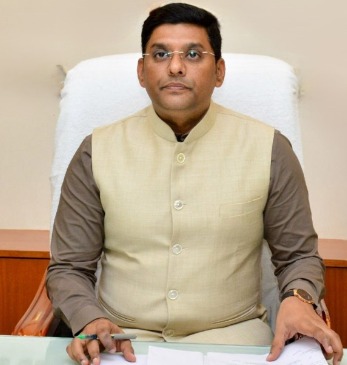
Thiru. K.J.Praveen Kumar, I.A.S
District Collector & District Magistrate
Serving as the administrative head of Nagapattinam District, overseeing public administration, land revenue management, civic services, law and order, and local development programs.
Member of Parliament (MP)
Thiru. V. Selvaraj
Elected in 2024 (CPI) representing the Nagapattinam Lok Sabha Constituency.
Member of Legislative Assembly (MLA)
Thiru. M. H. Jawahirullah
Elected in 2026 (MMK/DMK Alliance) representing the Nagapattinam Assembly Constituency.
Total Population
16.16 Lakhs (Census 2011)
Current projections for 2026 estimate the population at approx. 1.77 Million.
Demographics
83.59% Literacy Rate
Sex ratio of 1,025 females per 1,000 males. High educational standard.
Nearby Villages
Nagapattinam district comprises 236 revenue villages. The major villages near the city center include:
One of the largest revenue villages with a notable agricultural presence.
Home to the famous Sikkal Singaravelar Temple, closely linked with the city.
A rapidly developing village adjacent to the Nagapattinam city border.
A major fishing village with a bustling harbor and coastal culture.
Nearby Major Places
Several world-famous religious, ecological, and historical places are located just a short distance away:
-
⛪
Velankanni (12 km) — The famous Basilica of Our Lady of Good Health, a global pilgrimage destination.
-
🏰
Tharangambadi / Tranquebar (35 km) — Historic Danish colonial fort on the seashore.
-
🌅
Karaikal (20 km) — A Union Territory enclave famous for its beautiful sandy beach and temples.
-
🕊️
Point Calimere / Kodikkarai (60 km) — A wildlife and bird sanctuary home to blackbucks and flamingos.